Built Below Ground
Make the capability visible.
Underground construction is difficult to explain to someone who has never stood at the heading. The scale is compressed, the conditions change quickly, and much of the expertise lives in decisions that happen beyond public view. Strong bid photography closes that gap. It turns access, experience, and execution into proof a project owner can understand.
The Assignment
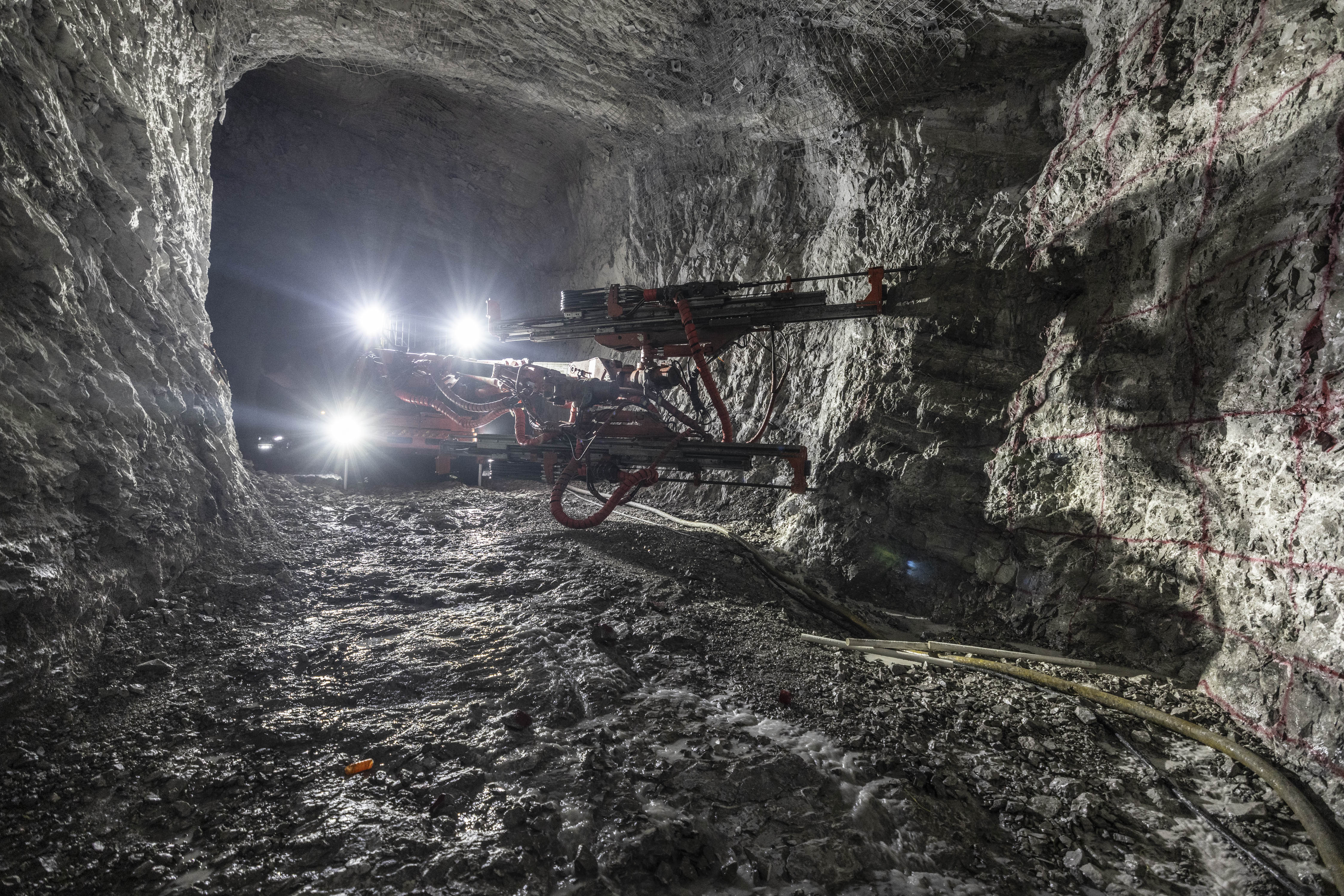
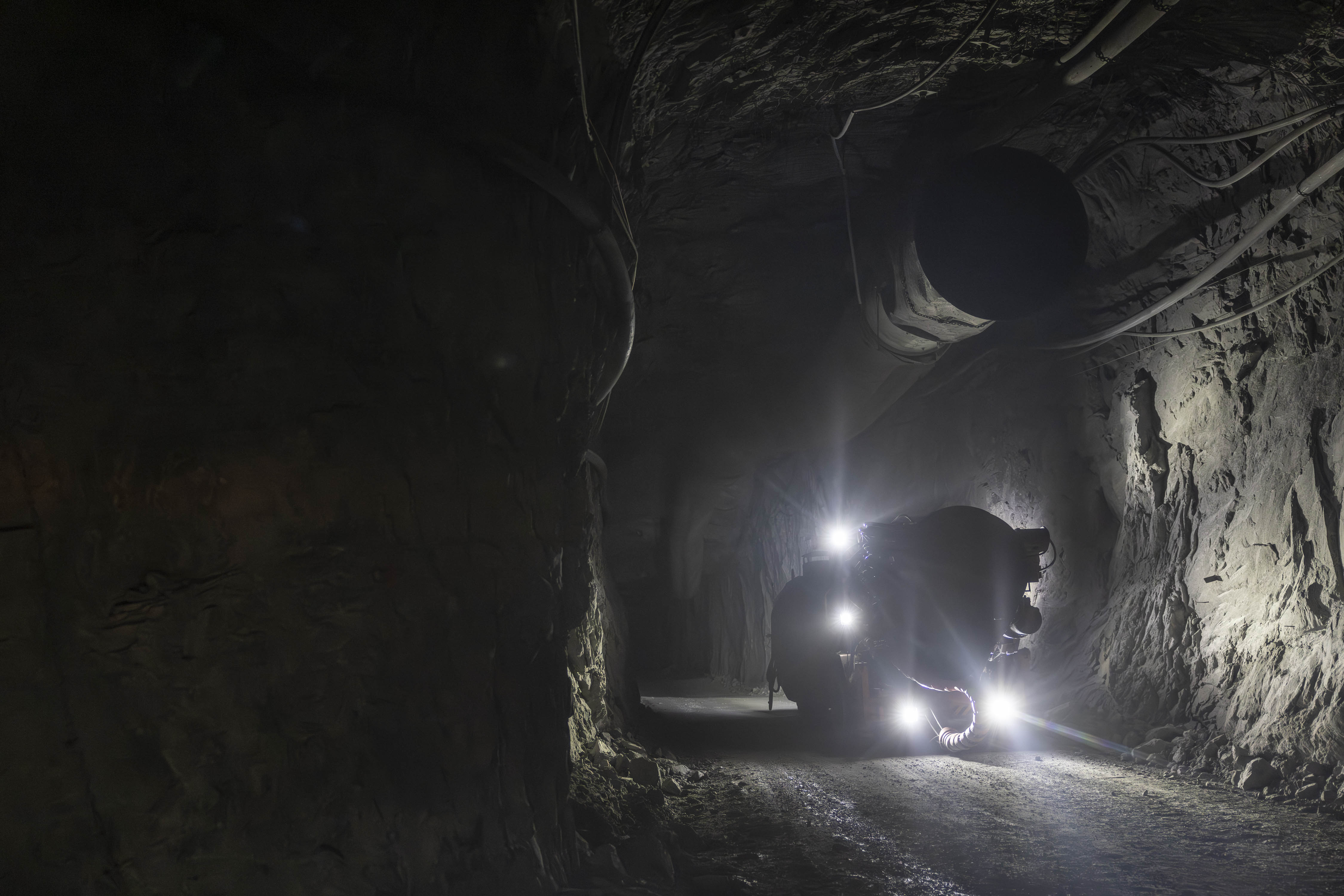
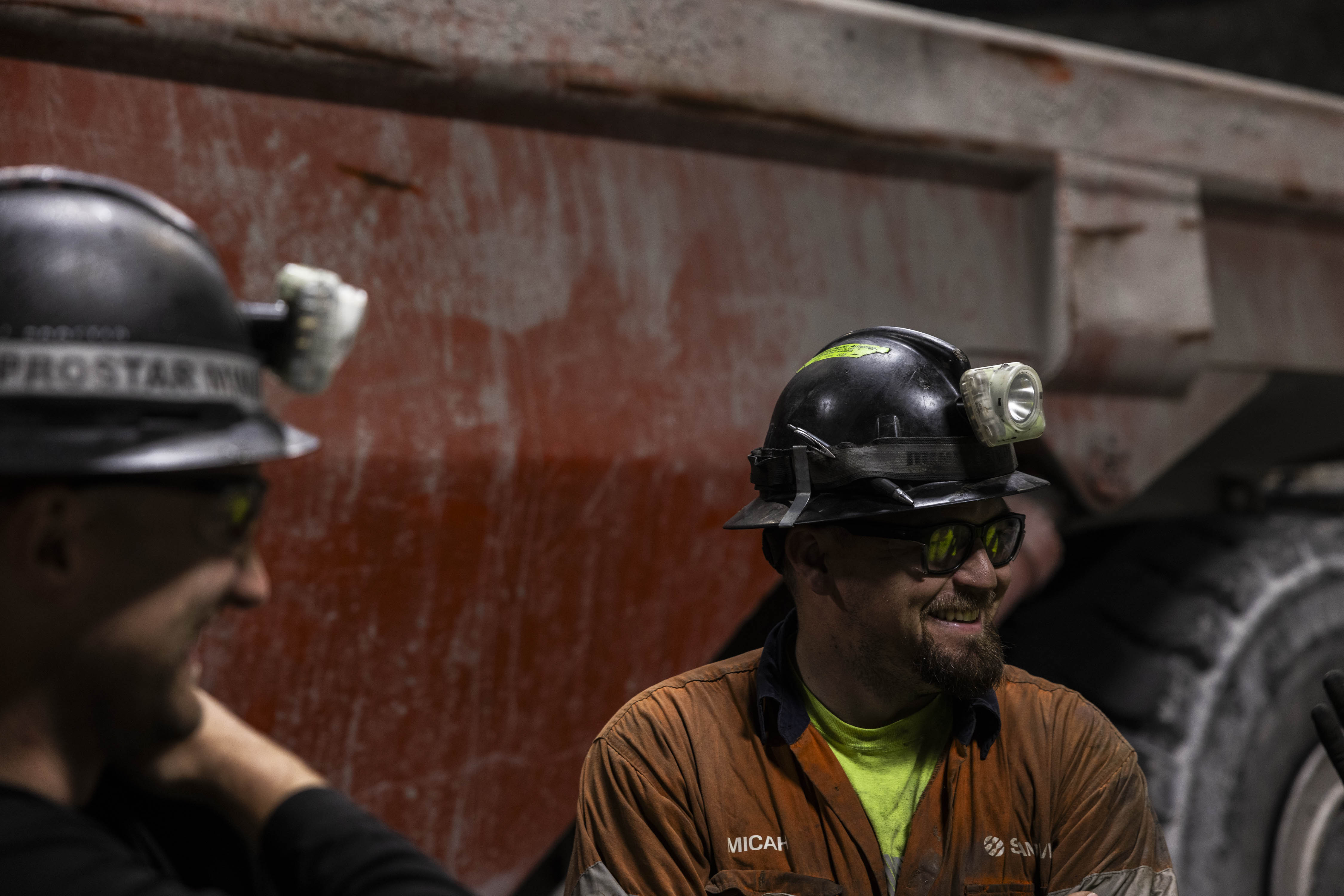
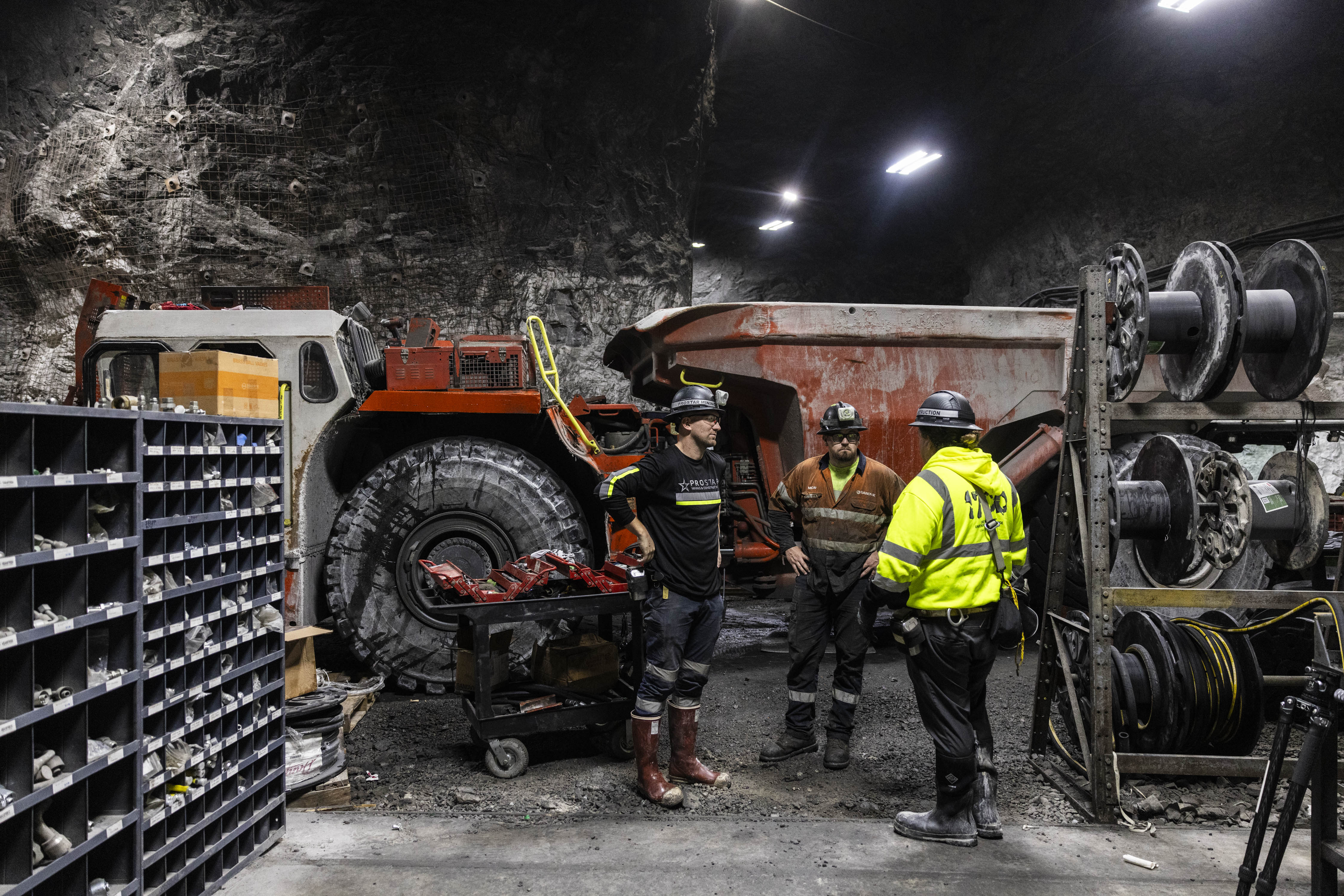
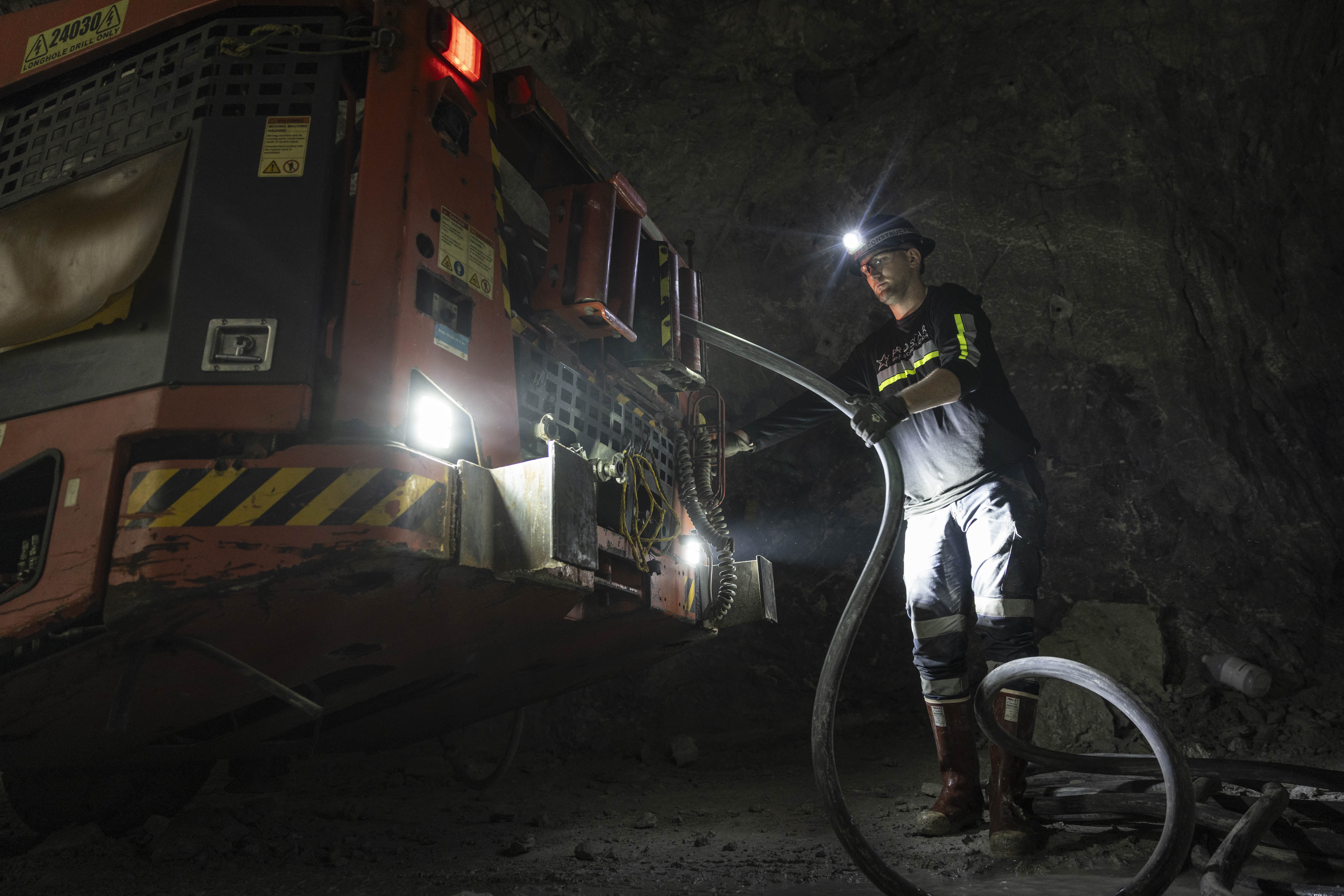
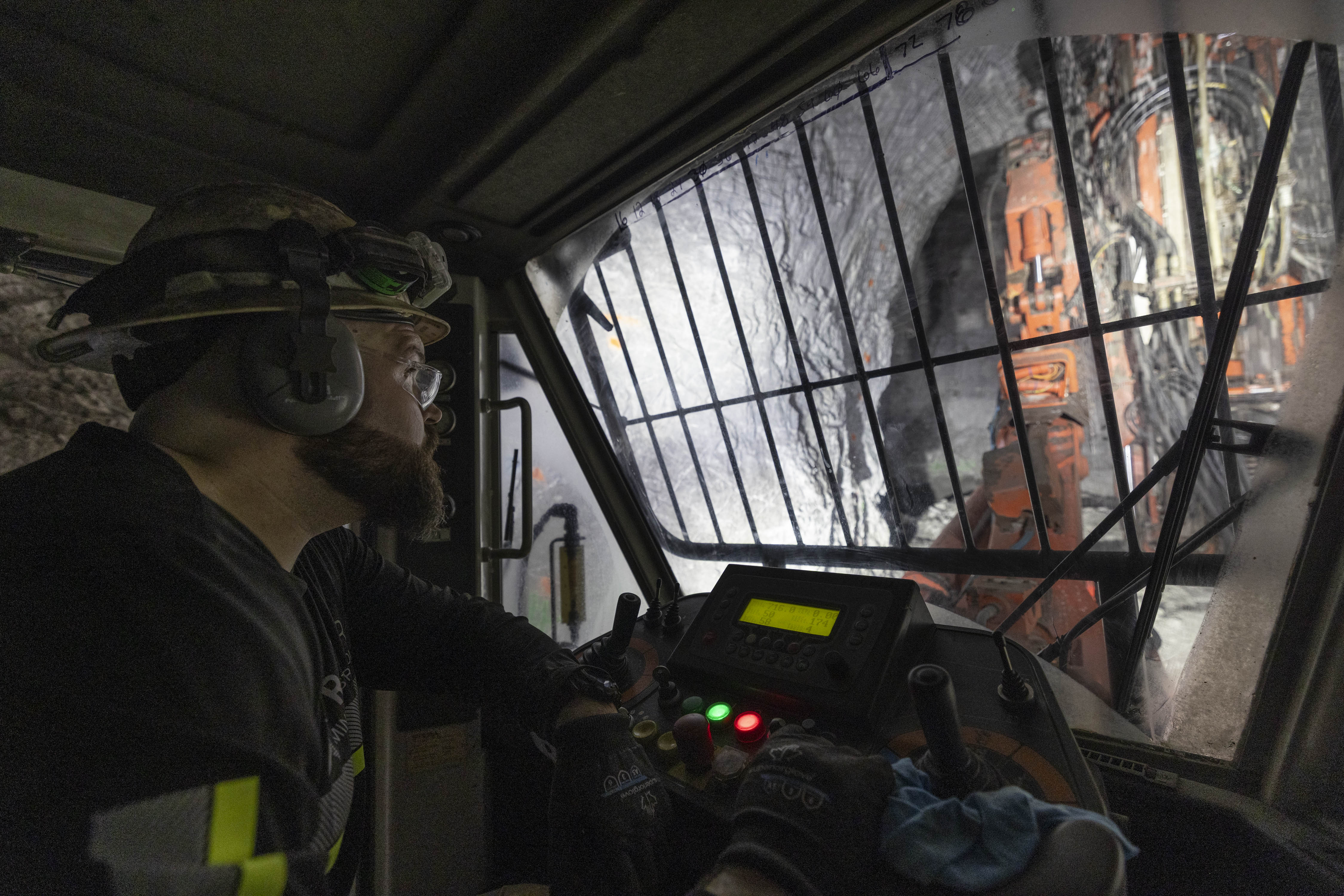
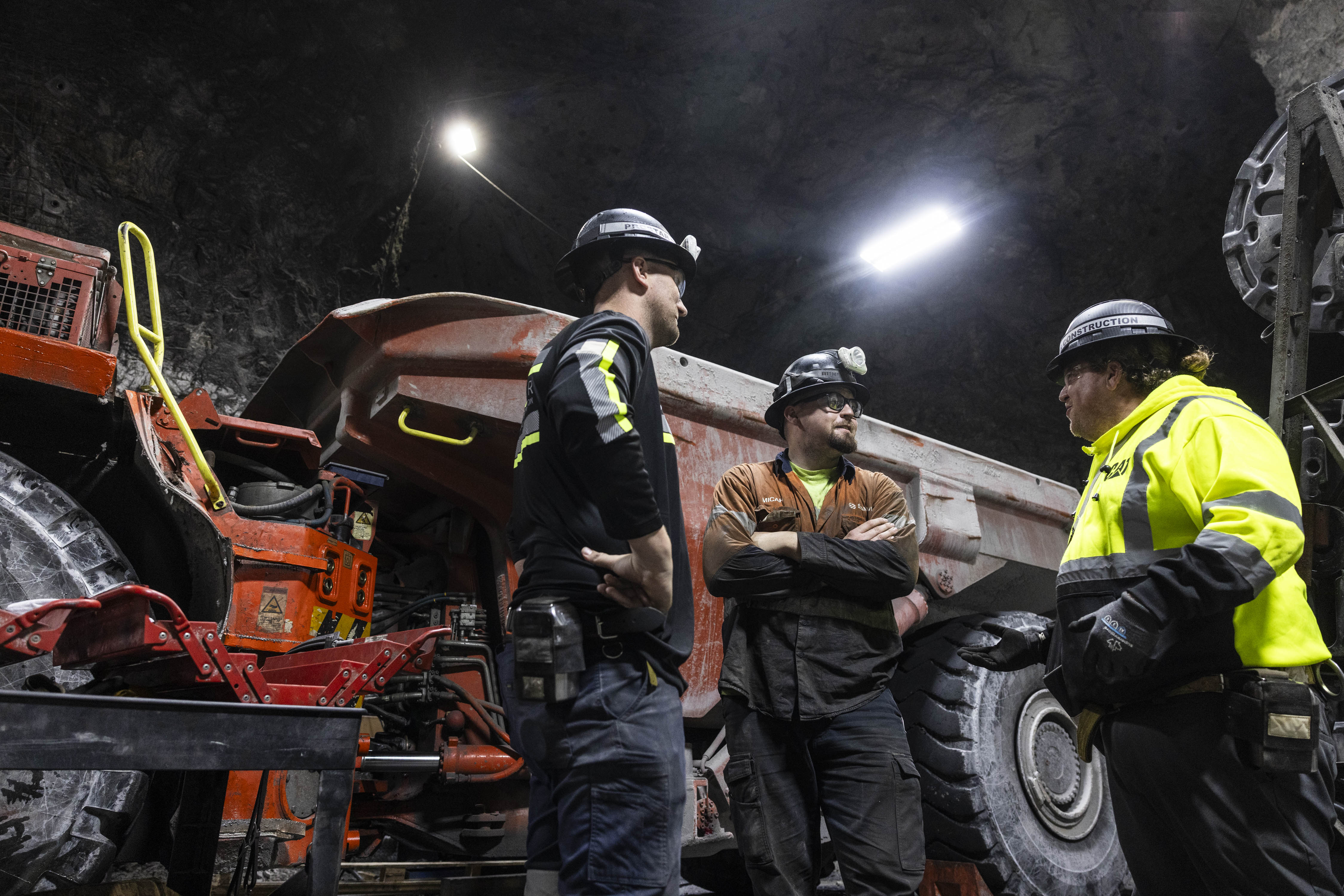
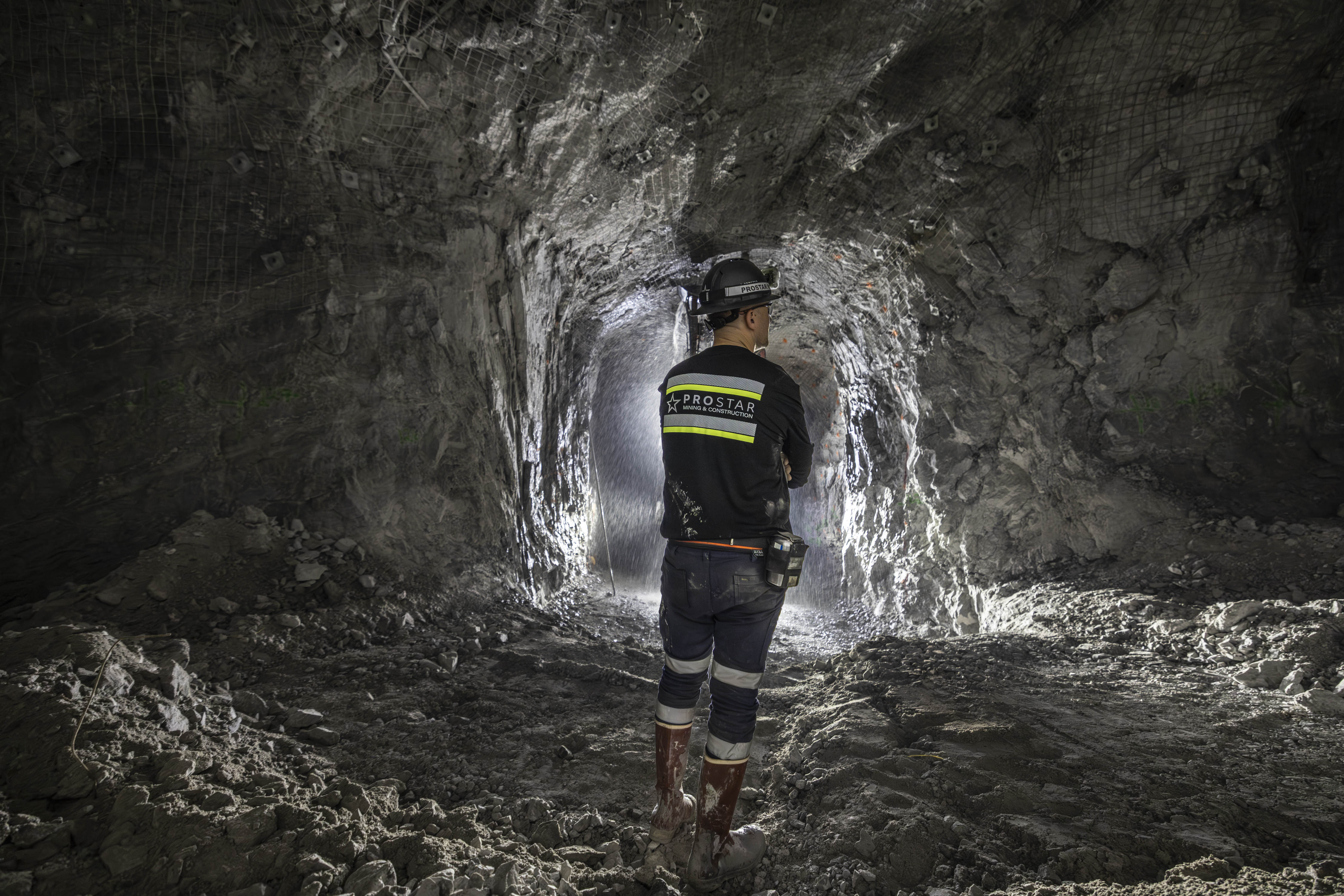
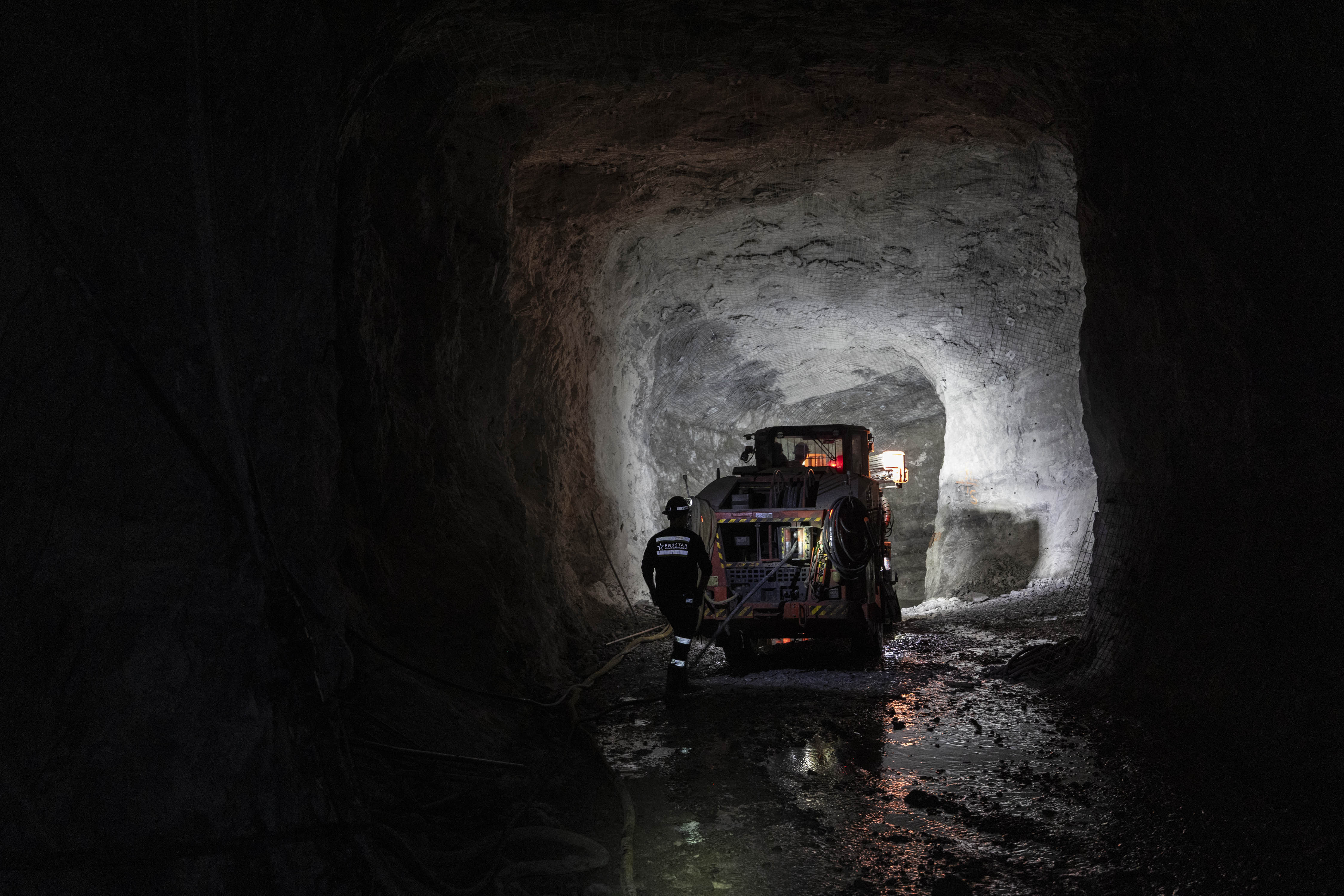
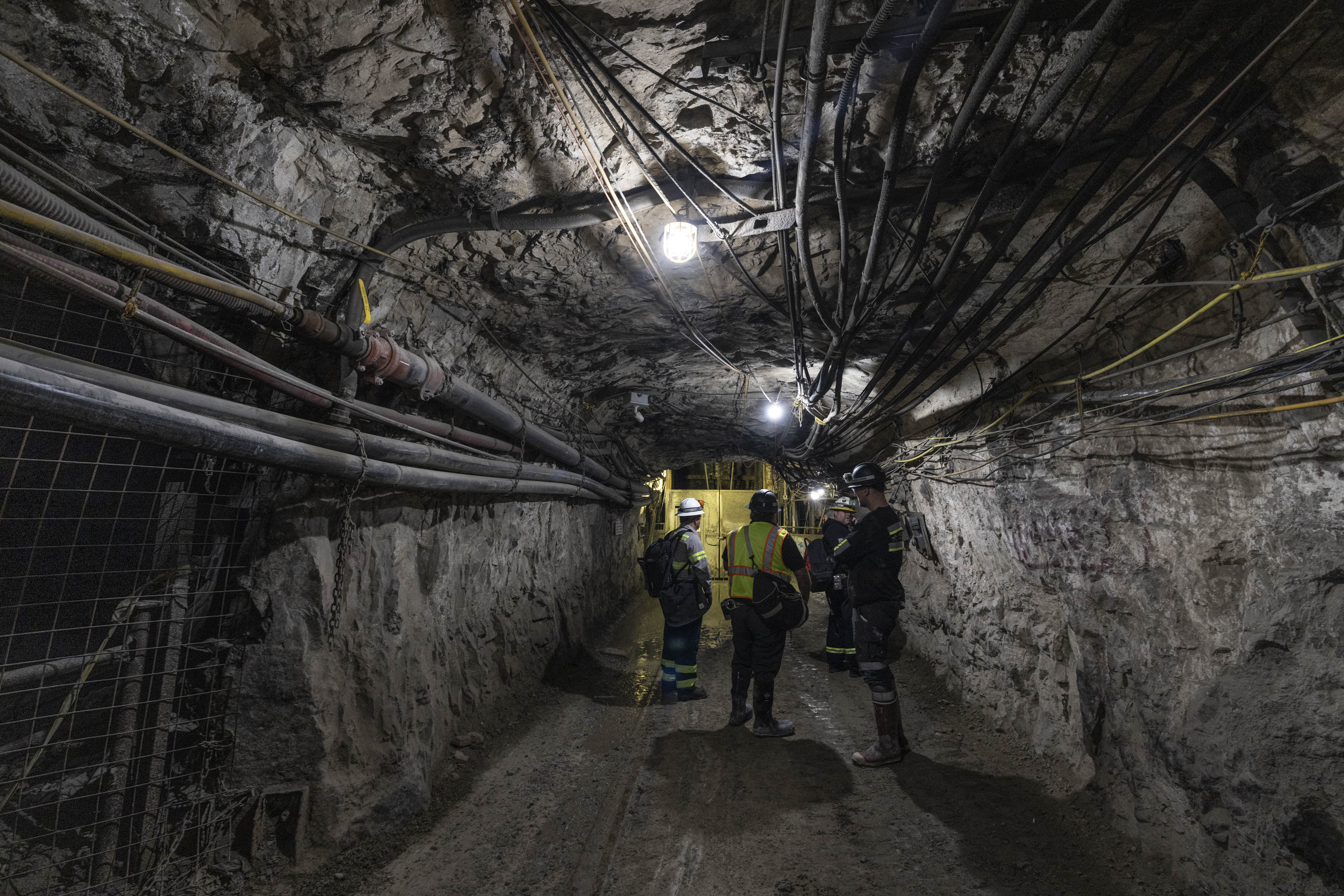
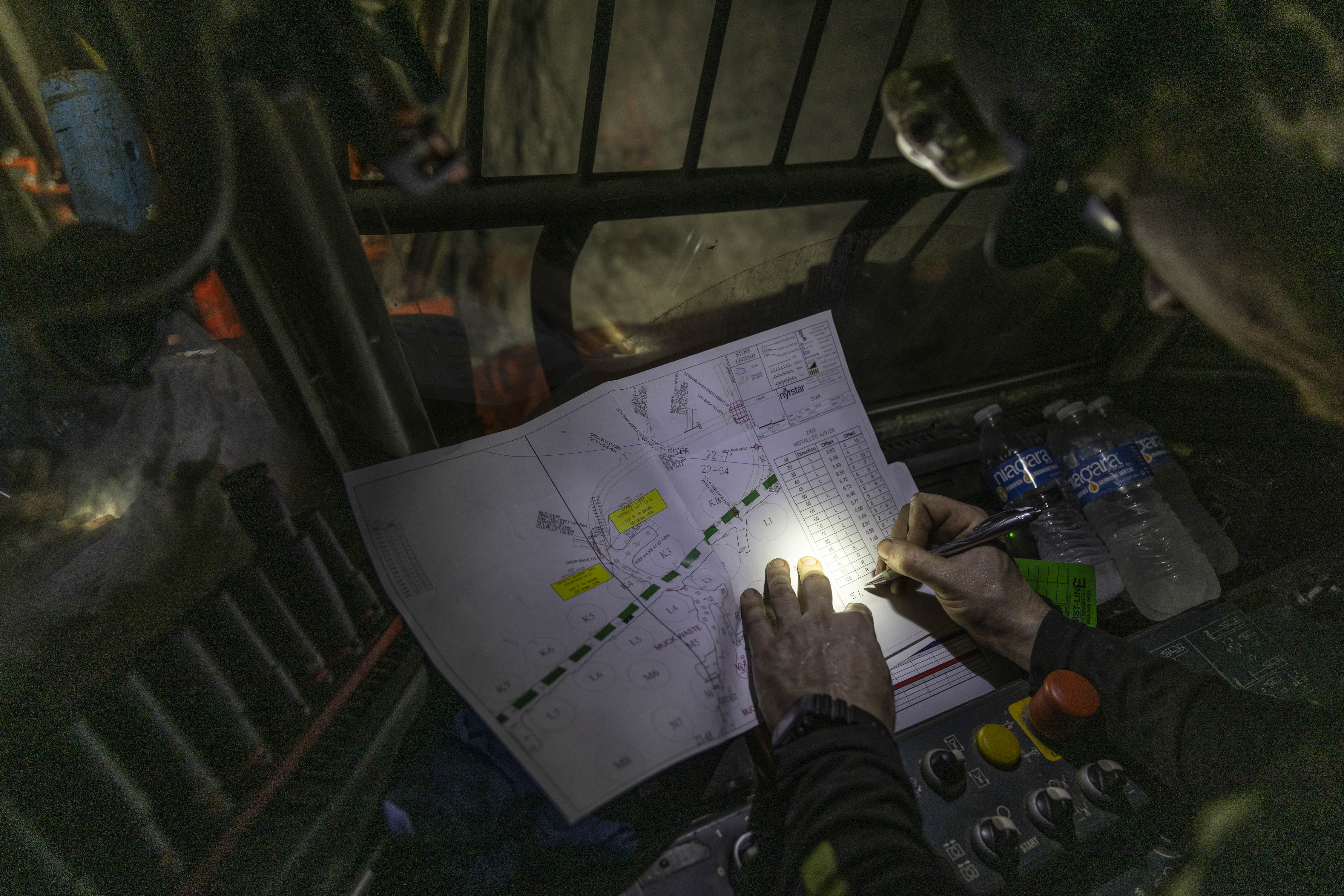
At Nyrstar’s East Tennessee Mines, Loadline documented an active underground mine development operation for use in a competitive bid submission. The objective was not to create a polished version of the job. It was to show the real operation: experienced miners, specialized drilling and haul equipment, developed headings, installed services, and the coordination required to keep work moving underground.
Production Underground
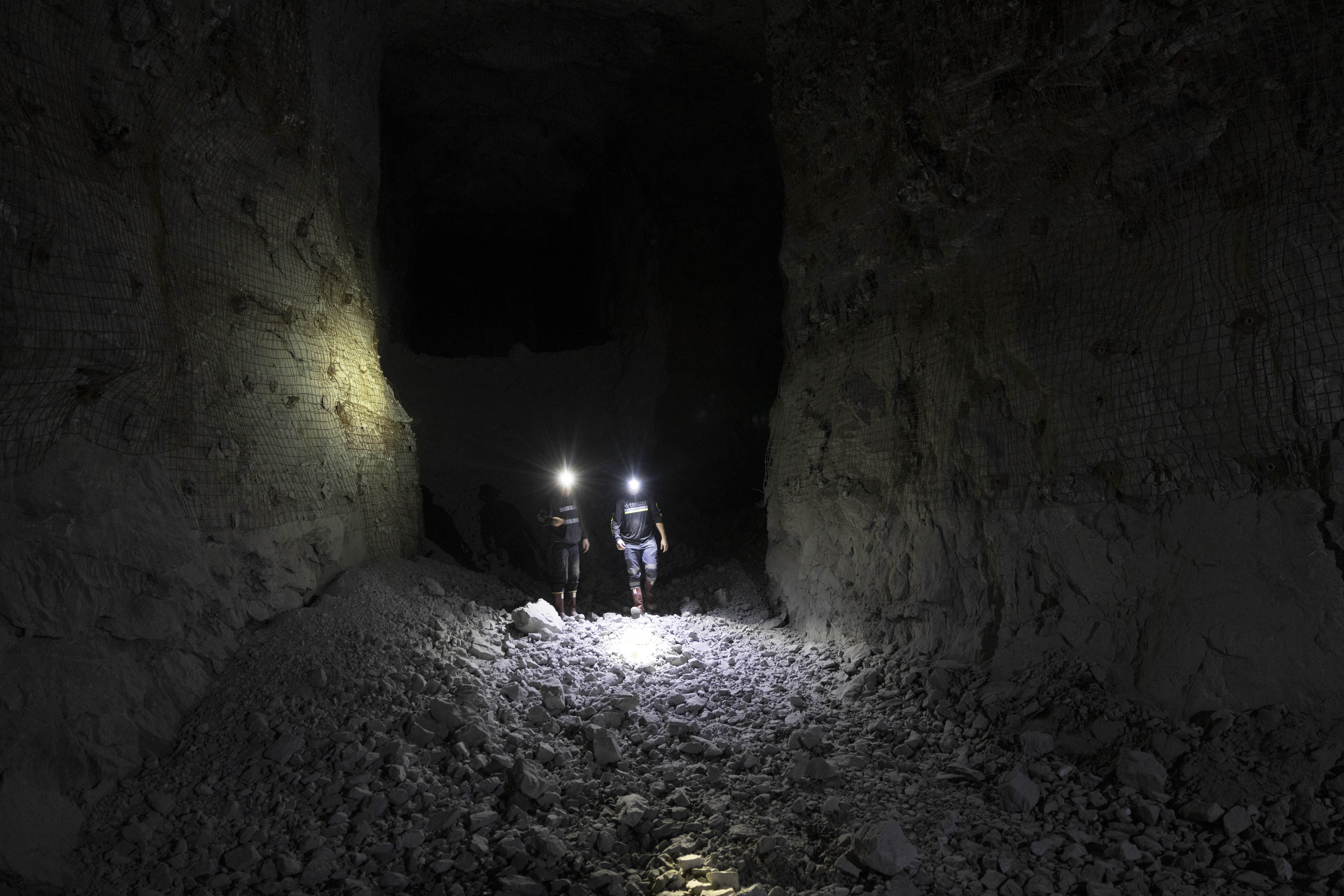
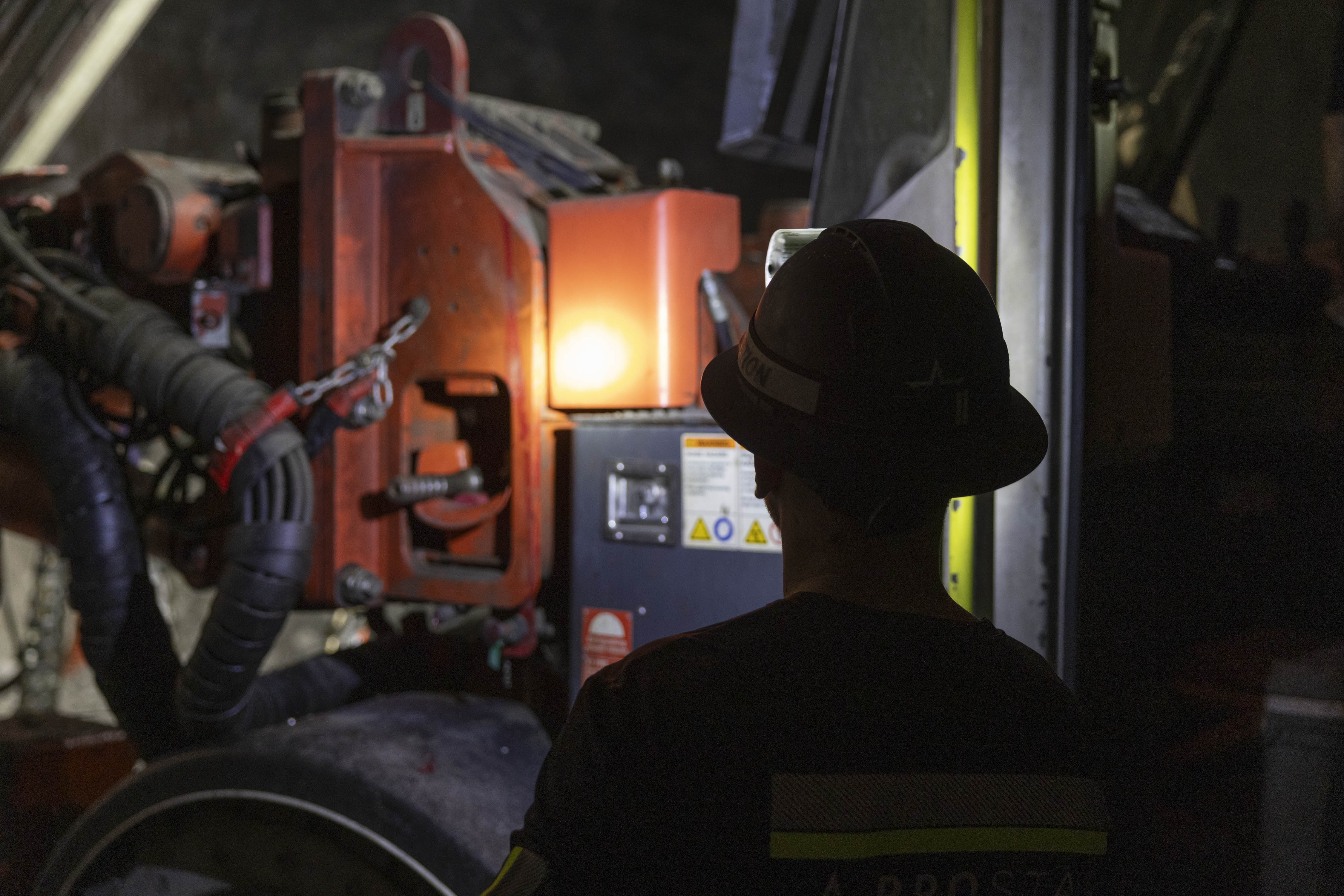
Working below ground demands more than bringing a camera into a dark space. Production had to respect mine access requirements, PPE, active equipment, limited working room, wet ground, uneven light, and the pace of an operating crew. The photography was built around the work instead of interrupting it, preserving the atmosphere and physical reality that give the images their credibility.
What the Library Proves
The finished image library moves from wide environmental frames to people, machinery, infrastructure, and process details. Together, those photographs communicate more than project scale. They show readiness, underground experience, equipment knowledge, safety awareness, and the human judgment behind mine development—the evidence that helps evaluators see how a contractor will perform after award.
Built for proposals, qualification packages, presentations, websites, and long-term business development, this kind of industrial project photography gives mining and construction companies a reusable visual record of work most audiences would otherwise never see.