Proof Under Control
Precision has to be visible.
Technical language can explain a process, but evaluators still need to see the discipline behind it. In a nuclear fuel-cycle proposal, the strongest images do more than establish scale. They reveal how specialized equipment, trained personnel, documented procedures, and deliberate coordination come together when the tolerance for uncertainty is exceptionally low.
The Proposal Challenge
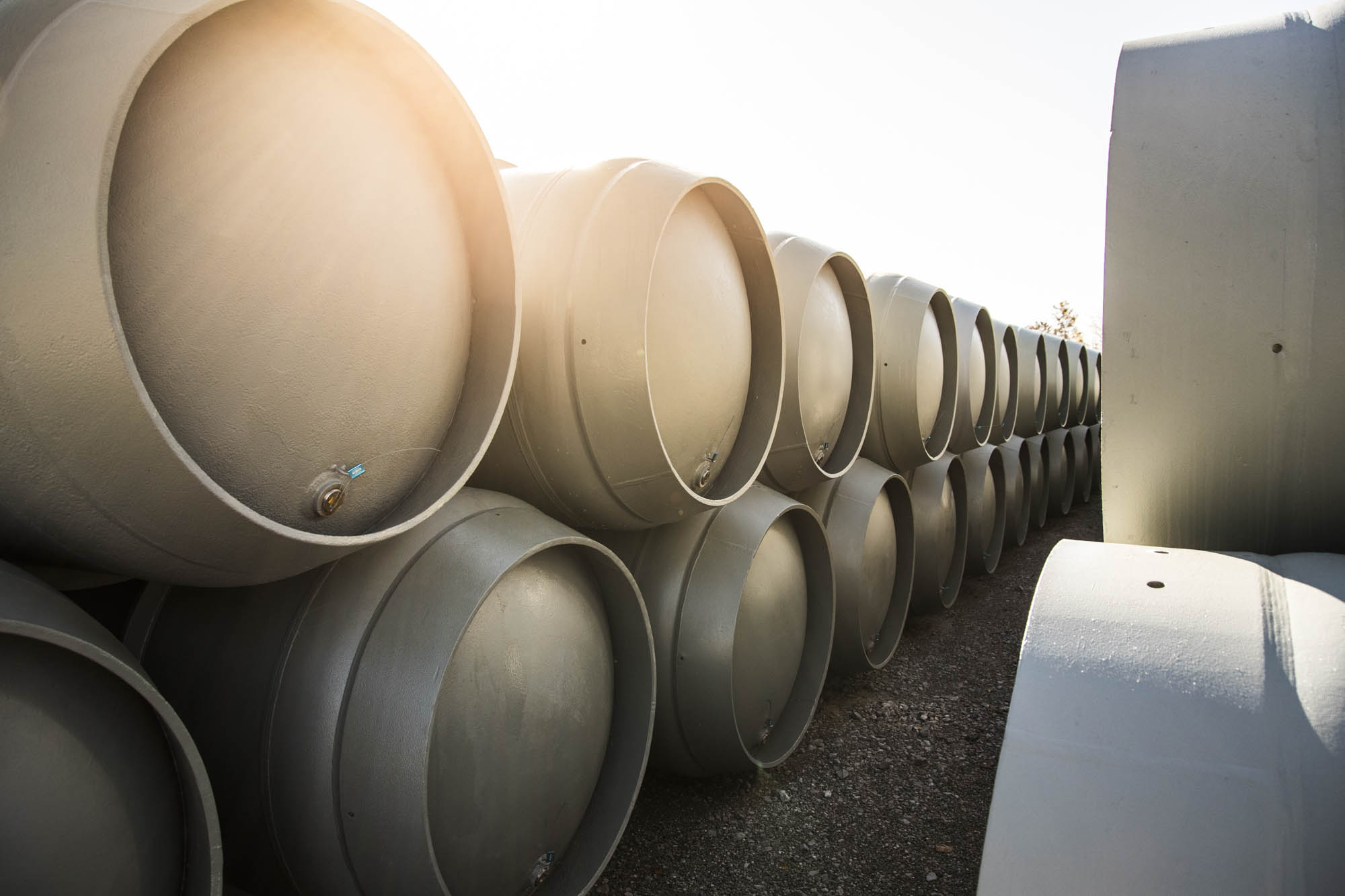
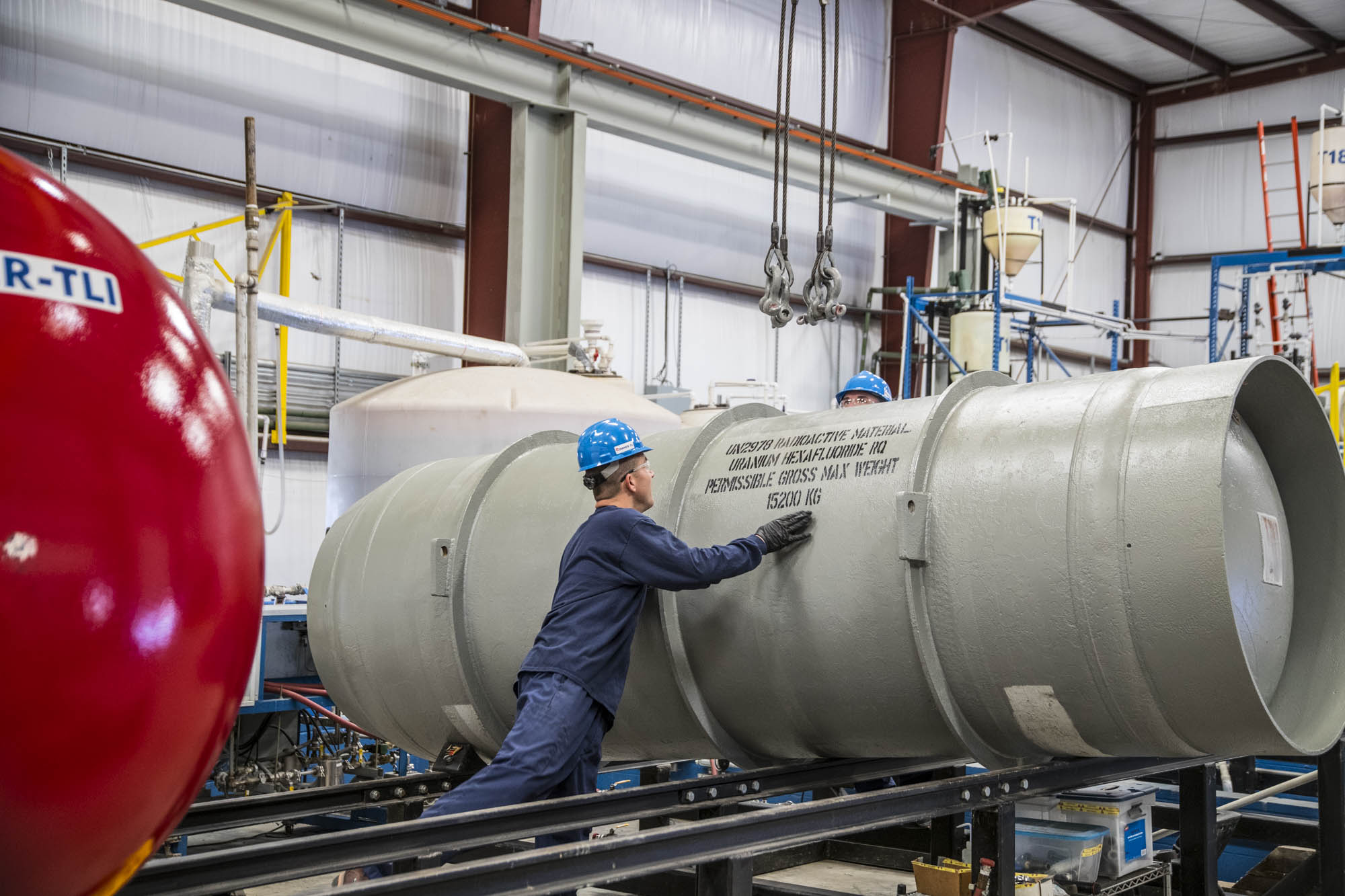
The client recovers uranium hexafluoride from transport casks serving the nuclear power industry. Its proposal needed to communicate more than the existence of a facility or a list of capabilities. It needed credible visual evidence of careful cask handling, process control, inspection, documentation, and the experienced people responsible for each step.
Inside the Operation
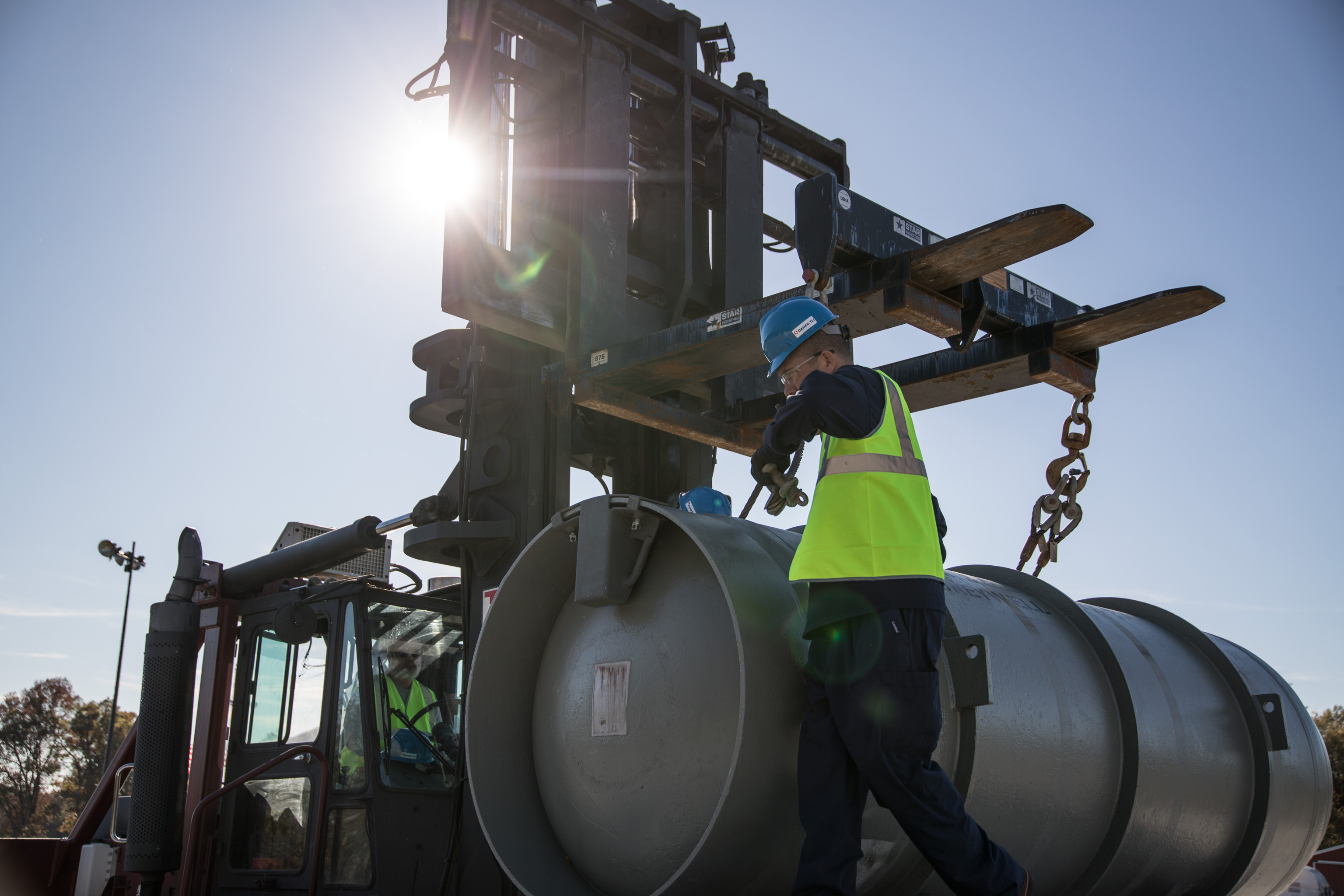
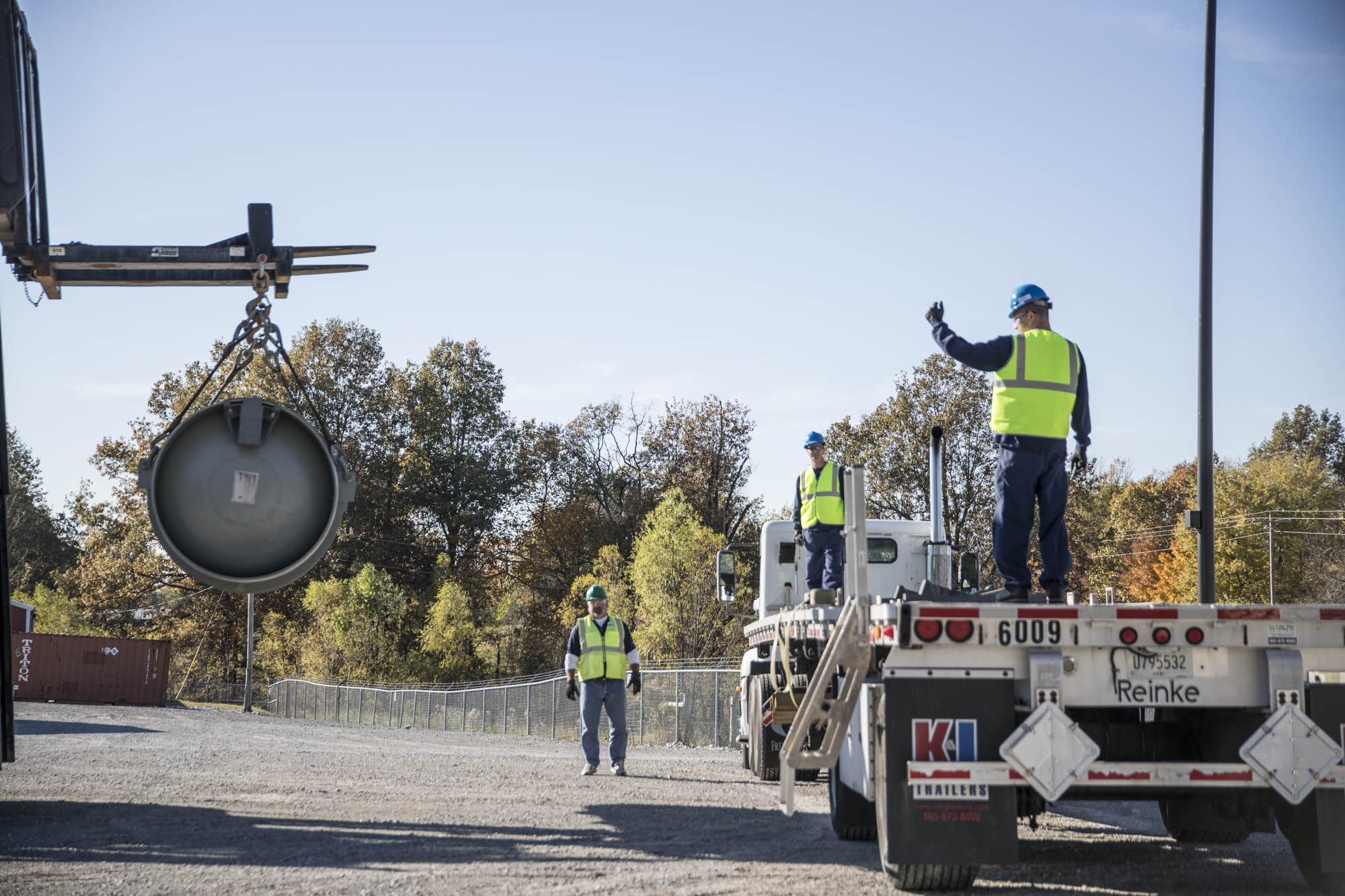
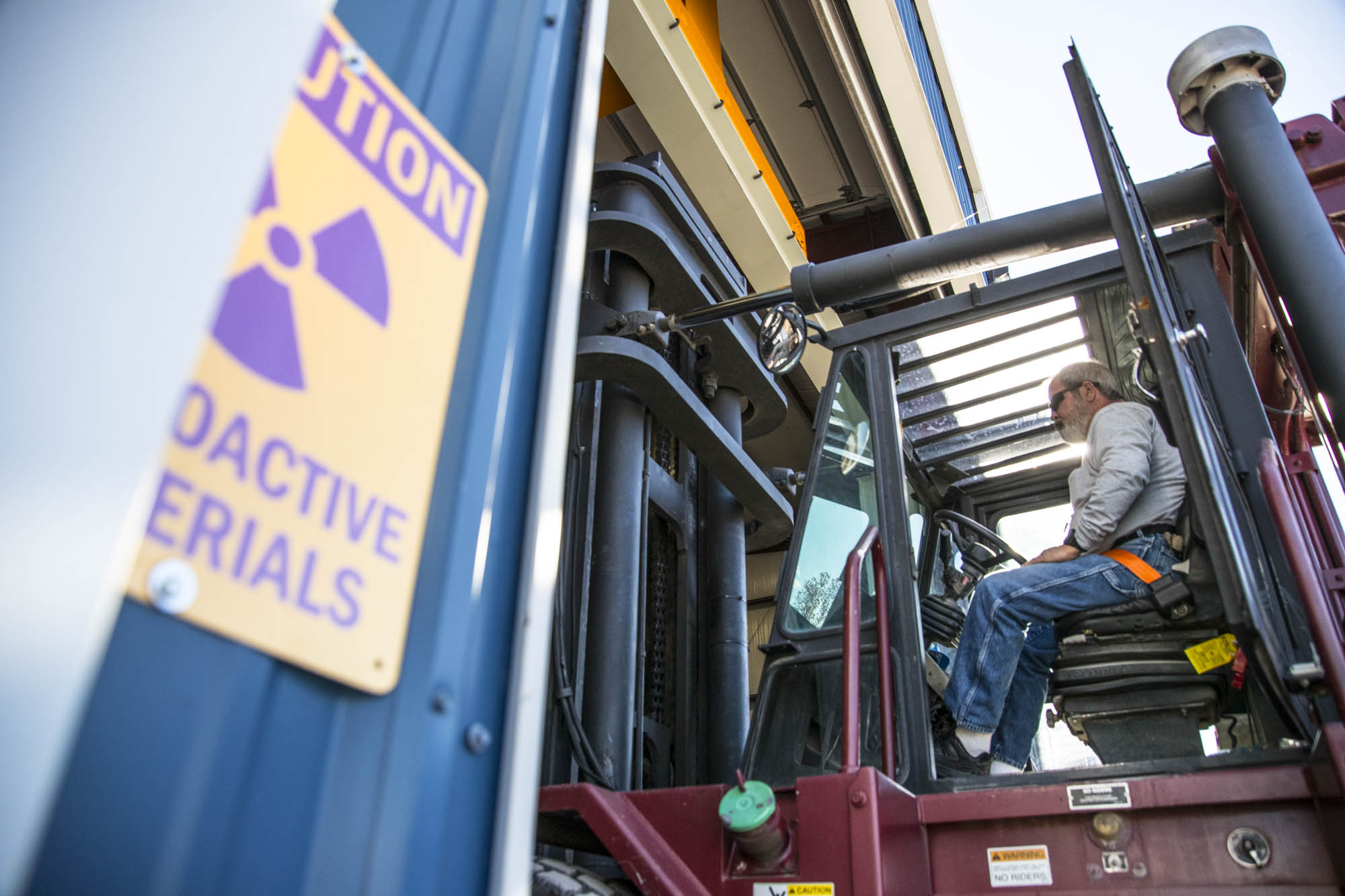
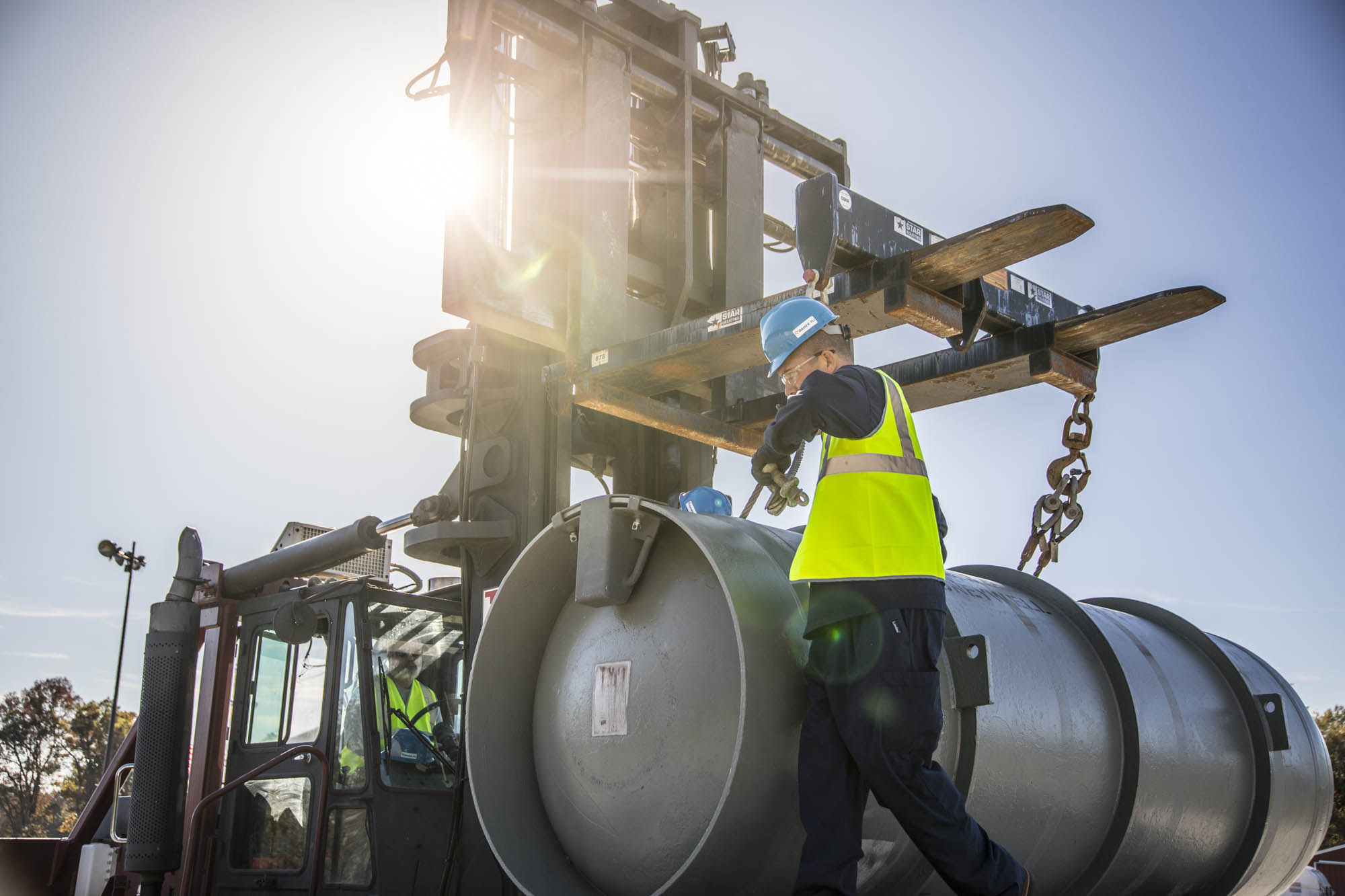
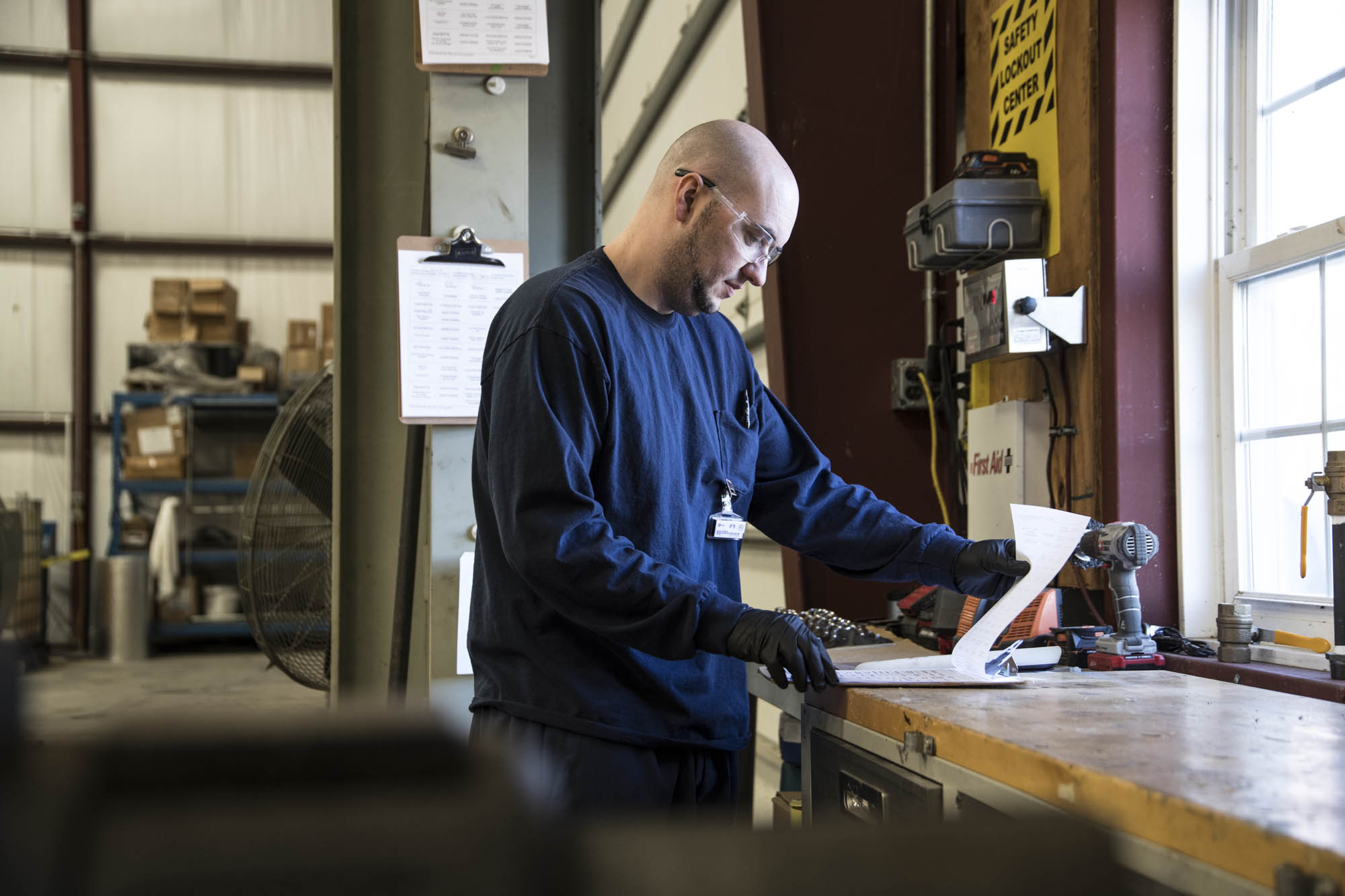
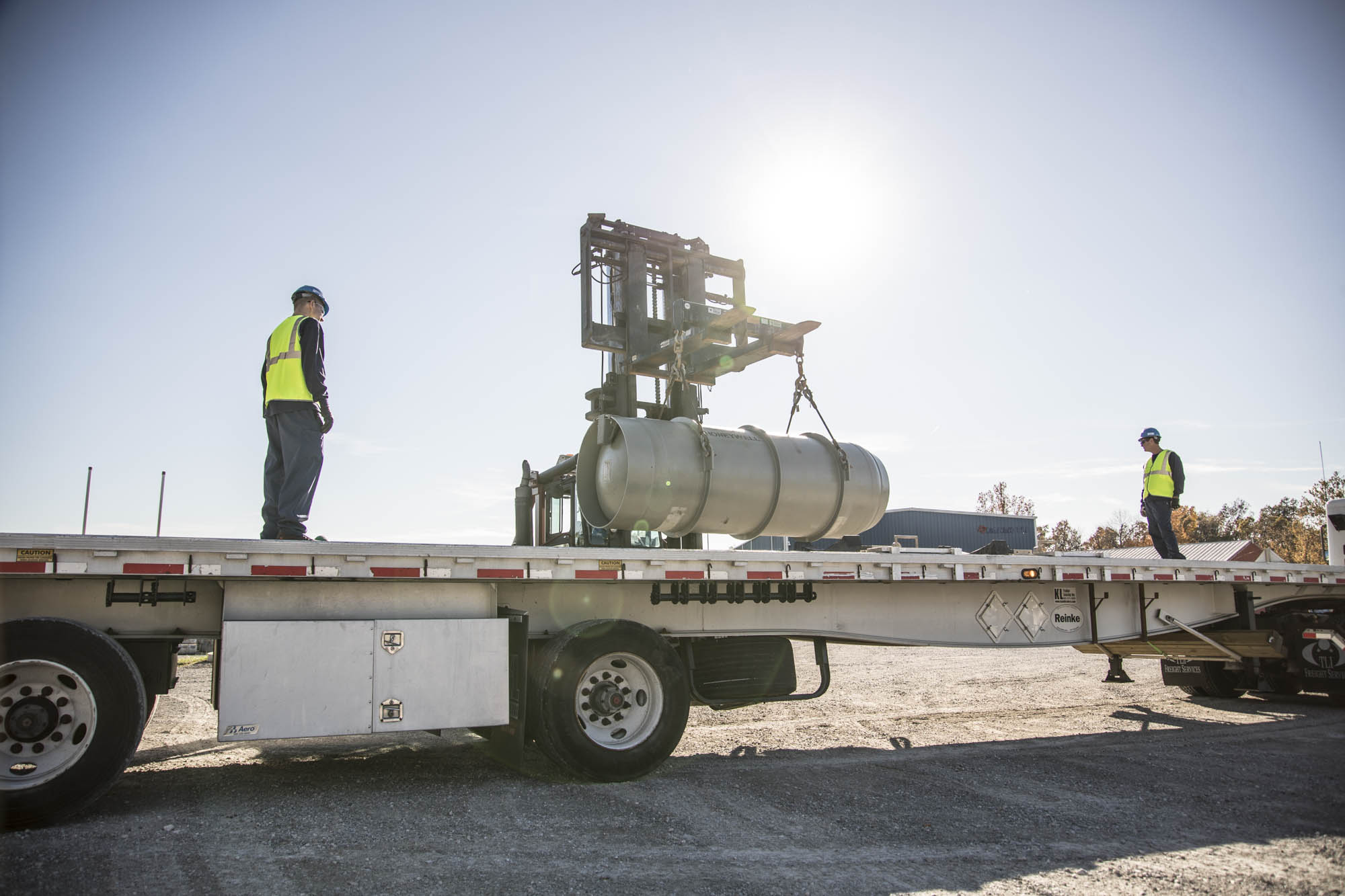
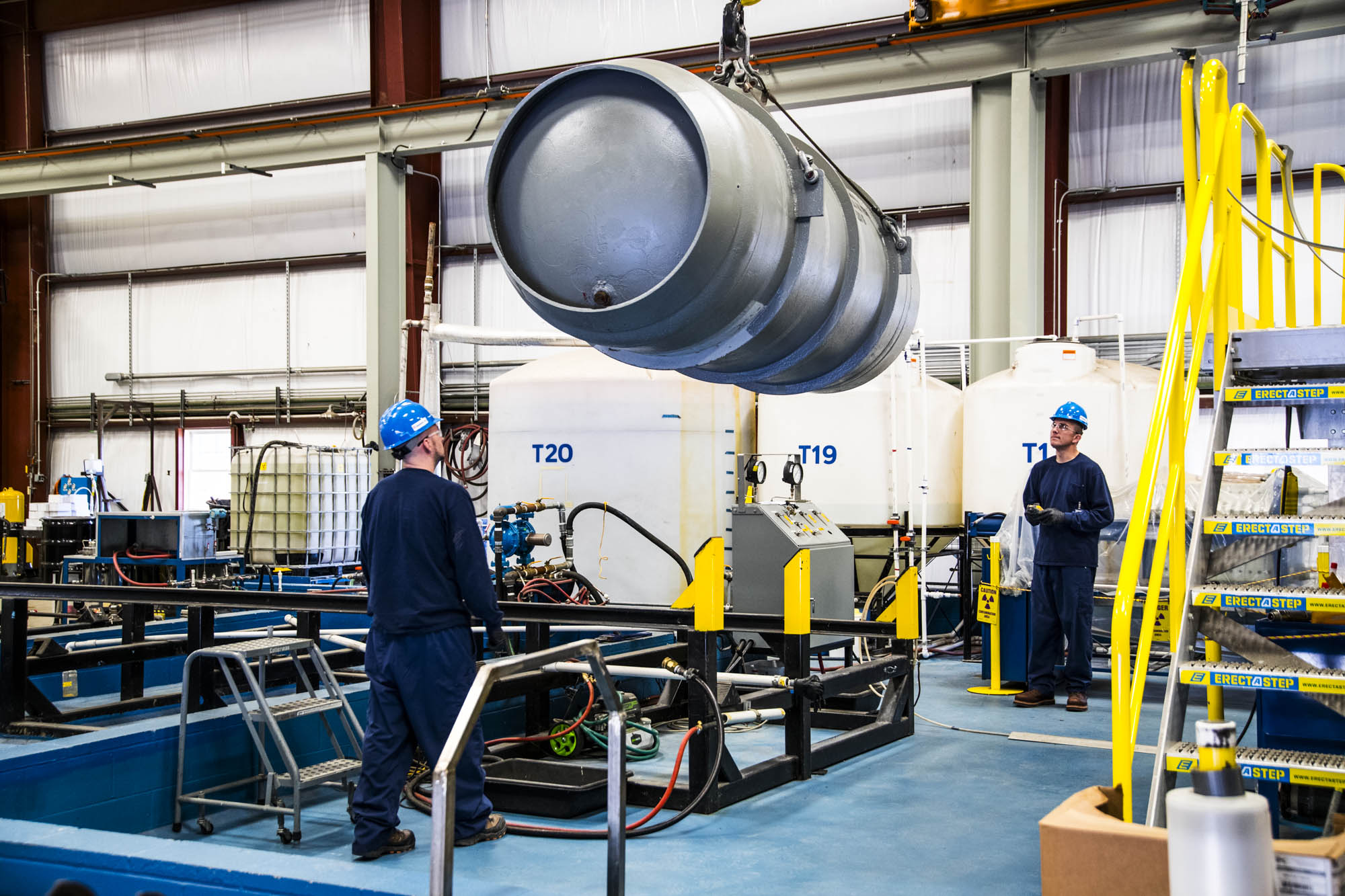
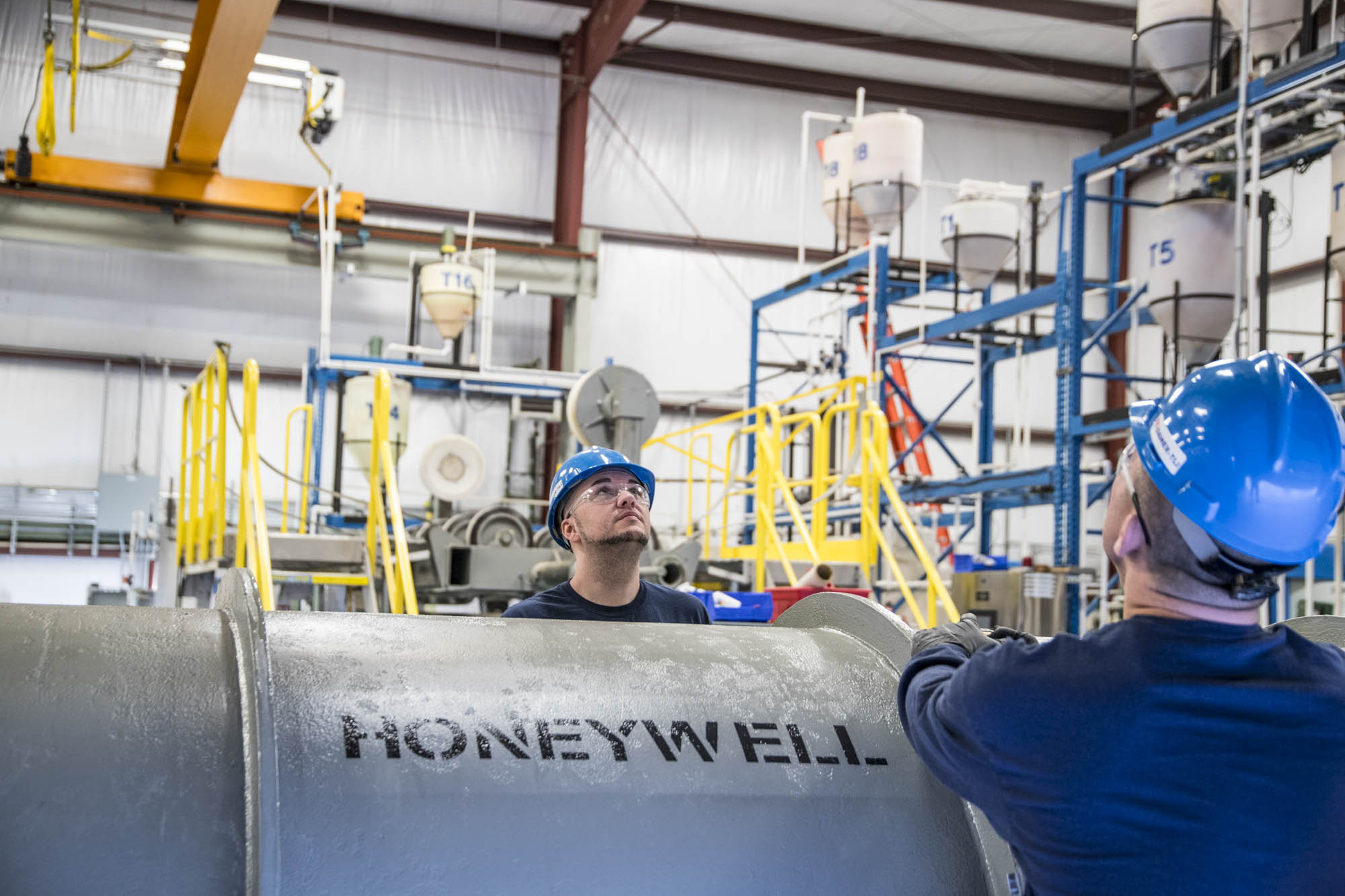
Loadline followed the work from outdoor staging and loadout through lifting, positioning, inspection, and indoor process activity. The photography had to operate within facility access, safety, and production requirements while staying close enough to capture the details that matter: hand signals, rigging, equipment interfaces, condition checks, paperwork, and crew coordination.
What the Images Prove
The finished library presents a controlled, repeatable operation rather than a collection of isolated industrial scenes. Wide frames establish the facility and equipment. Closer images show verification and human judgment. Together they communicate technical readiness, procedural discipline, and confidence—the qualities a proposal team needs audiences to understand before entrusting it with specialized work.
Built for proposal responses, qualification packages, presentations, and long-term capability marketing, this kind of technical industrial photography makes complex work easier to evaluate without oversimplifying the expertise behind it.